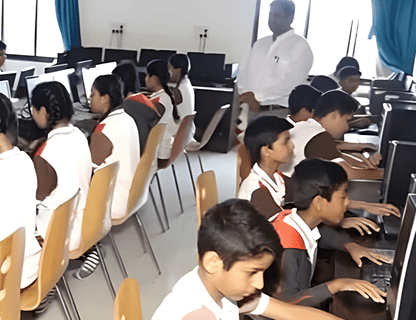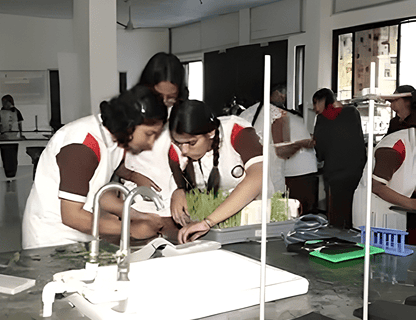
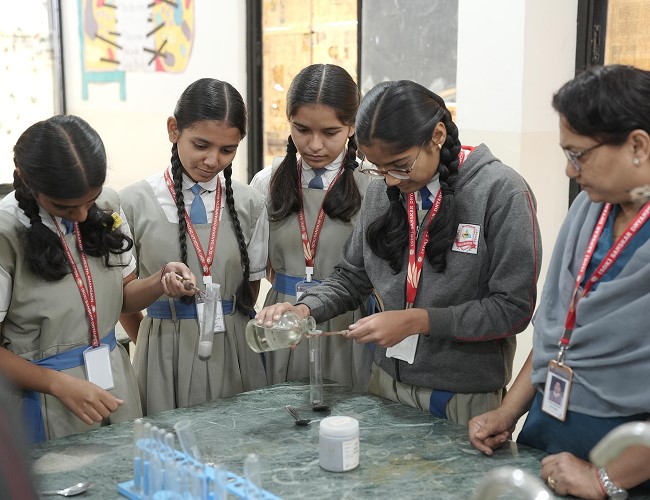
Learning by doing, through practical application and simulations.
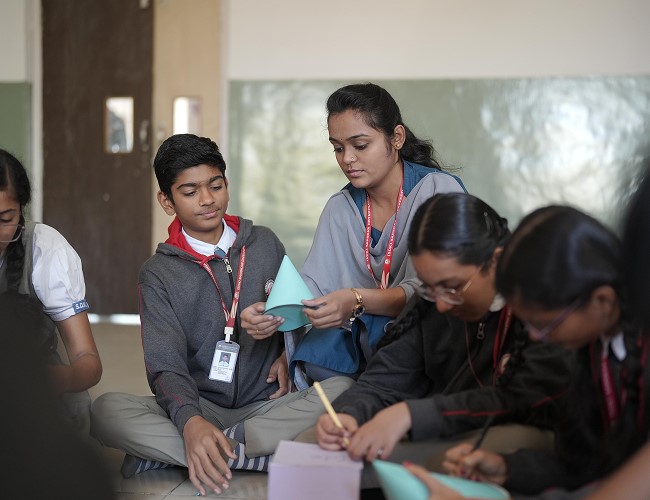
Students actively participate through problem-solving, discussion, and investigation (e.g., inquiry-based, project-based learning).

Using digital tools for efficiency and engagement (e.g., online, flipped classrooms).
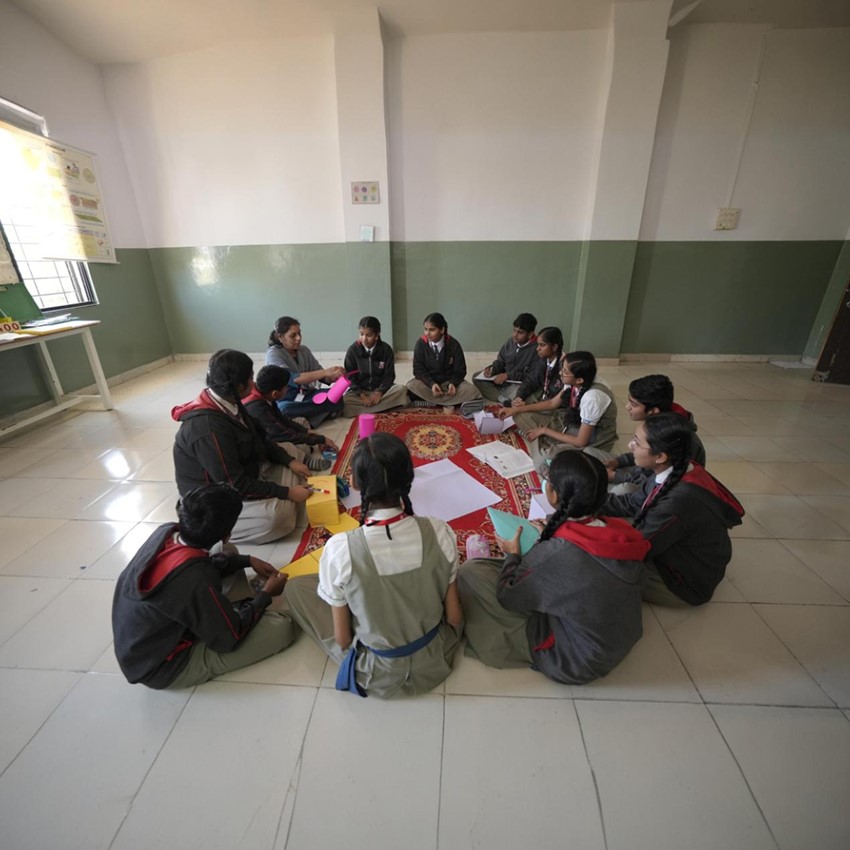
These methods are driven by the situational analysis of what is the most appropriate thing for us to learn/do now given the situation of learners and the teacher. They require a participatory understanding of varied domains and factors. Teaching methods are many and varied and could be used in different ways, considering among others the age of the learners, body configuration or physique of learners. In another broad classification, teaching methods could be presented in three main categories:

This method of teaching can be used for solving real-life situational problems. The technique of role lay develops practical professional skills and functioning knowledge. It enables students in the classroom to act as stakeholders in an imagined scene. In a play role, the teacher selects an event that illuminates the topic of study and students are assigned roles, which will be played out, the role play will be concluded, with a reflection stage that reinforces the concepts introduced by the role play. This method gives students the opportunity to explore together their feelings, attitudes, values, and problem-solving strategies.

Remedial classes are specialized, extra support sessions designed to help students who are falling behind in core subjects like math, reading, or writing, by reinforcing foundational skills, bridging learning gaps, and providing individualized attention so they can catch up to their peers and build confidence. These classes use different strategies like repetition, extra practice, and tailored methods to ensure students master essential concepts and are prepared for advanced work, acting as a crucial tool for academic success.
© Copyright Sanskar Dnyanpeeth, Khamgaon All Rights Reserved